
Reviewed By Dr. Jodi Kuhn
Reading time: 3 minutes
Wisdom teeth typically emerge in the late teens or early twenties. As they begin to erupt, they may cause noticeable changes in the back of the mouth. Identifying early symptoms of wisdom teeth coming in helps determine whether monitoring or removal is necessary.
We provide dental care for the whole family at our offices in Denver, Aurora, Thornton, and Hampden. We proudly accept Medicaid and make quality dental care accessible for every child.
Table of Contents
Dental and Vision Care in One Convenient Location
At our Denver and Aurora locations, Youth Dentistry & Orthodontics and Youth Vision are conveniently located in the same building. This means your child can receive both dental and vision care at one familiar location, without extra travel or scheduling stress.
What Are the Signs That Wisdom Teeth Are Erupting?
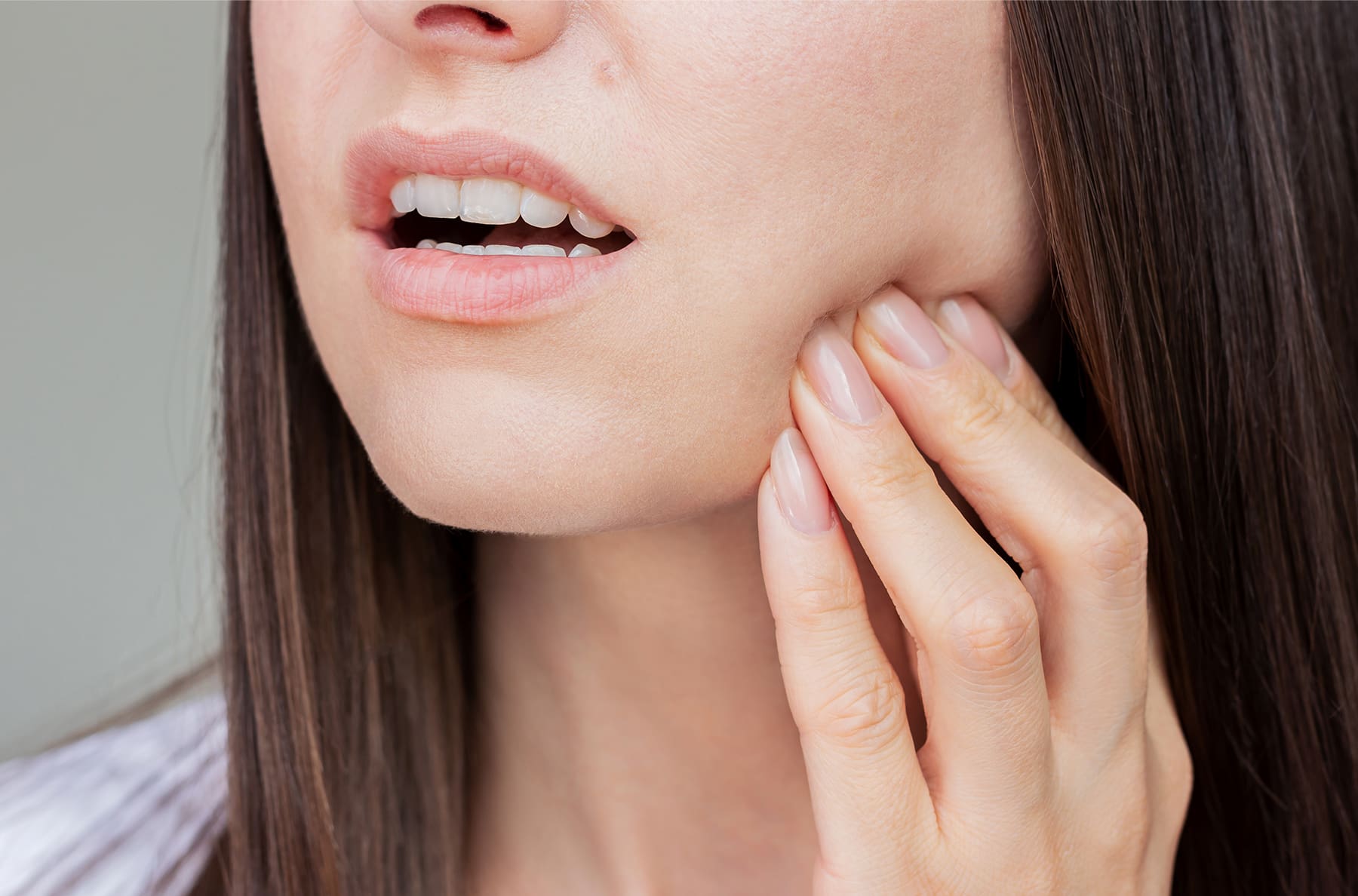
The most common sign is pressure or discomfort in the very back of the mouth behind the second molars. As wisdom teeth begin pushing through the gums, mild to moderate symptoms may develop.
Early signs often include:
- Jaw soreness or stiffness
- Swelling of the gums in the back of the mouth
- Tenderness when chewing
- A feeling of pressure behind existing molars
- Mild headaches
Some people experience minimal symptoms, while others notice more significant discomfort.
At What Age Do Wisdom Teeth Usually Come In?
They usually begin erupting between ages 17 and 25. However, timing varies.
In some cases:
- They erupt normally and align properly
- They partially erupt and become difficult to clean
- They remain fully impacted beneath the gums
Dental X-rays are the most reliable way to determine their position before symptoms begin.
Do Wisdom Teeth Always Need to Be Removed?
Wisdom teeth do not always need to be removed. If they come in fully, are positioned correctly, and can be kept clean, they may not cause problems. However, most people do not have enough room in their jaw for third molars to fit properly. When space is limited, they often become impacted, push against nearby teeth, or trap bacteria under the gums, which can lead to pain and infection.
Monitoring Wisdom Teeth During Routine Dental Visits
Wisdom teeth do not appear overnight. They develop gradually beneath the gums, which is why regular dental exams are especially important during the late teen and early adult years. Routine X-rays allow your dentist to monitor their position and determine whether there is enough space for them to erupt properly.
Early monitoring allows for proper planning. If the teeth are likely to become impacted or cause crowding, removal can be scheduled at the right time, often before more serious pain or infection develops.
At Youth Dentistry & Orthodontics, we provide wisdom teeth removal for teens and adults and help patients decide when removal is necessary based on growth and symptoms.
Wisdom Teeth Removal in Denver, CO
If you are experiencing discomfort or believe your wisdom teeth are coming in, book an appointment at Youth Dentistry & Orthodontics in Denver or at the location nearest you. For our Denver location, call (303) 825-2295 or visit us at 1400 Grove Street, Denver, CO 80204.
Other locations:
📍Aurora Youth Dentistry and Orthodontics: 14251 E. 6th Avenue, Aurora, CO 80011 | (303) 343-3133
📍Thornton Youth Dentistry and Orthodontics: 550 E. Thornton Parkway, Suite 240A, Thornton, CO 80229 | (303) 280-8878
📍Hampden Youth Dentistry and Orthodontics: 7400 East Hampden Ave. Unit C1, Denver, CO 80231 | (720) 826-3694
FAQs
How long does wisdom tooth pain last when they are coming in?
Wisdom tooth pain often comes and goes. As the tooth slowly moves through the gums, it may cause soreness for several days, then improve before flaring up again. This cycle can continue for weeks or even months.
What does an infected wisdom tooth feel like?
Infection may cause severe pain, swelling, fever, and difficulty opening the mouth. Immediate dental evaluation is recommended.
How do you know if wisdom teeth are impacted?
Impaction is confirmed through dental imaging. Symptoms may include jaw pain, swelling, or pressure behind the molars.
