
Reviewed By Dr. Jodi Kuhn
Reading time: 3 minutes
A dental filling can be replaced when it becomes worn, damaged, or no longer protects the tooth properly. In many cases, we can remove the old restoration, check the tooth underneath, and place a new filling if enough healthy tooth structure remains.
We provide dental care for the whole family at our offices in Denver, Aurora, Thornton, and Hampden. We proudly accept Medicaid and make quality dental care accessible for every child.
Dental and Vision Care in One Convenient Location
At our Denver and Aurora locations, Youth Dentistry & Orthodontics and Youth Vision are conveniently located in the same building. This means your child can receive both dental and vision care at one familiar location, without extra travel or scheduling stress.
Table of Contents
Several Changes Can Mean a Filling Needs Replacement
A filling does not need to be replaced simply because it is old. We look at the condition of the restoration and the tooth to determine whether treatment is necessary.
A filling may need to be replaced if it:
- Cracks, chips, or breaks
- Becomes loose
- Develops a gap around the edge
- No longer fits the tooth properly
- Has new tooth decay around or underneath it
- Has significant wear that affects its function
- A cavity has developed under the filling
A chipped dental filling does not always cause significant pain, so visible damage or a change in how the tooth feels can be a reason to have us take a look.
What Happens When a Filling Is Replaced?
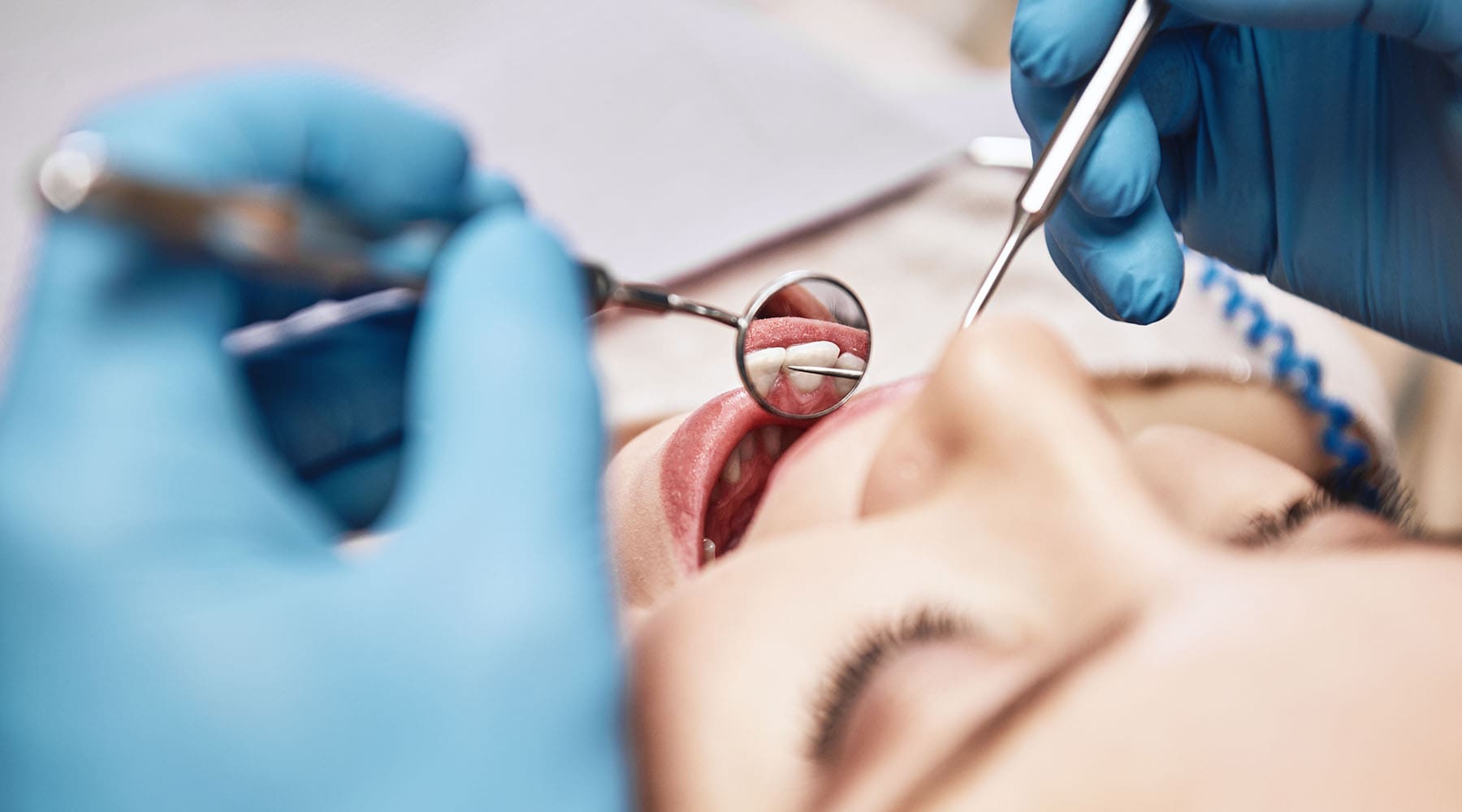
Replacing a filling involves removing the existing restoration so we can evaluate the tooth underneath it. If we find decay, we remove the affected tooth structure before restoring the area again.
If enough healthy tooth remains, we may be able to place another filling. The size and location of the damaged area, along with the condition of the remaining tooth, help determine whether another filling is appropriate.
How Many Times Can a Filling Be Replaced?
There is no set number of times a filling can be replaced. The more important question is whether enough healthy tooth structure remains to support another filling.
Each time a filling needs replacement, we may need to remove a small amount of additional tooth structure, particularly if there is new decay or damage around the restoration. Over time, the area being restored can therefore become larger.
Eventually, another filling may not provide enough strength or coverage for the tooth. At that point, a dental crown may provide more protection by covering the remaining tooth structure.
How Do You Know If an Old Filling Needs to Be Replaced?
Some damaged fillings cause noticeable symptoms, while others do not. Changes that can indicate a problem include:
- New sensitivity to hot, cold, or sweet foods
- Pain when biting or chewing
- A rough or sharp area on the tooth
- A filling that feels loose or moves
- A visible crack or missing piece
- Food repeatedly getting caught around the restoration
These symptoms can have causes other than a damaged filling. During a routine dental exam, we can examine the restoration and surrounding tooth to determine whether it needs treatment.
Have a Worn or Damaged Filling Checked
At Youth Dentistry & Orthodontics, we provide preventive and restorative dental care for the whole family at our Denver, Aurora, Thornton, and Hampden locations. If you are concerned about an existing filling, contact us to schedule an appointment.
To schedule an appointment, contact the location most convenient for your family:
- Denver Youth Dentistry & Orthodontics: (303) 825-2295
- Aurora Youth Dentistry & Orthodontics: (303) 343-3133
- Thornton Youth Dentistry & Orthodontics: (303) 280-8878
- Hampden Youth Dentistry & Orthodontics: (720) 826-3694
FAQs
Do fillings last forever?
Dental fillings can last for many years, but they can eventually wear, crack, loosen, or develop problems around their edges. How long a filling lasts depends on factors such as its material and size, its location in the mouth, chewing forces, oral hygiene, and habits such as teeth grinding.
Does replacing a filling hurt?
We typically numb the area before removing and replacing a filling, so you should not feel pain during treatment. Some temporary sensitivity may occur afterward, particularly with temperature or pressure.
Can a filling fall out?
A filling can loosen or fall out if the restoration or surrounding tooth becomes damaged. If a filling comes out, avoid chewing on that side and contact us so we can examine the tooth and determine how it should be restored.
